Wisdom Tooth Surgery
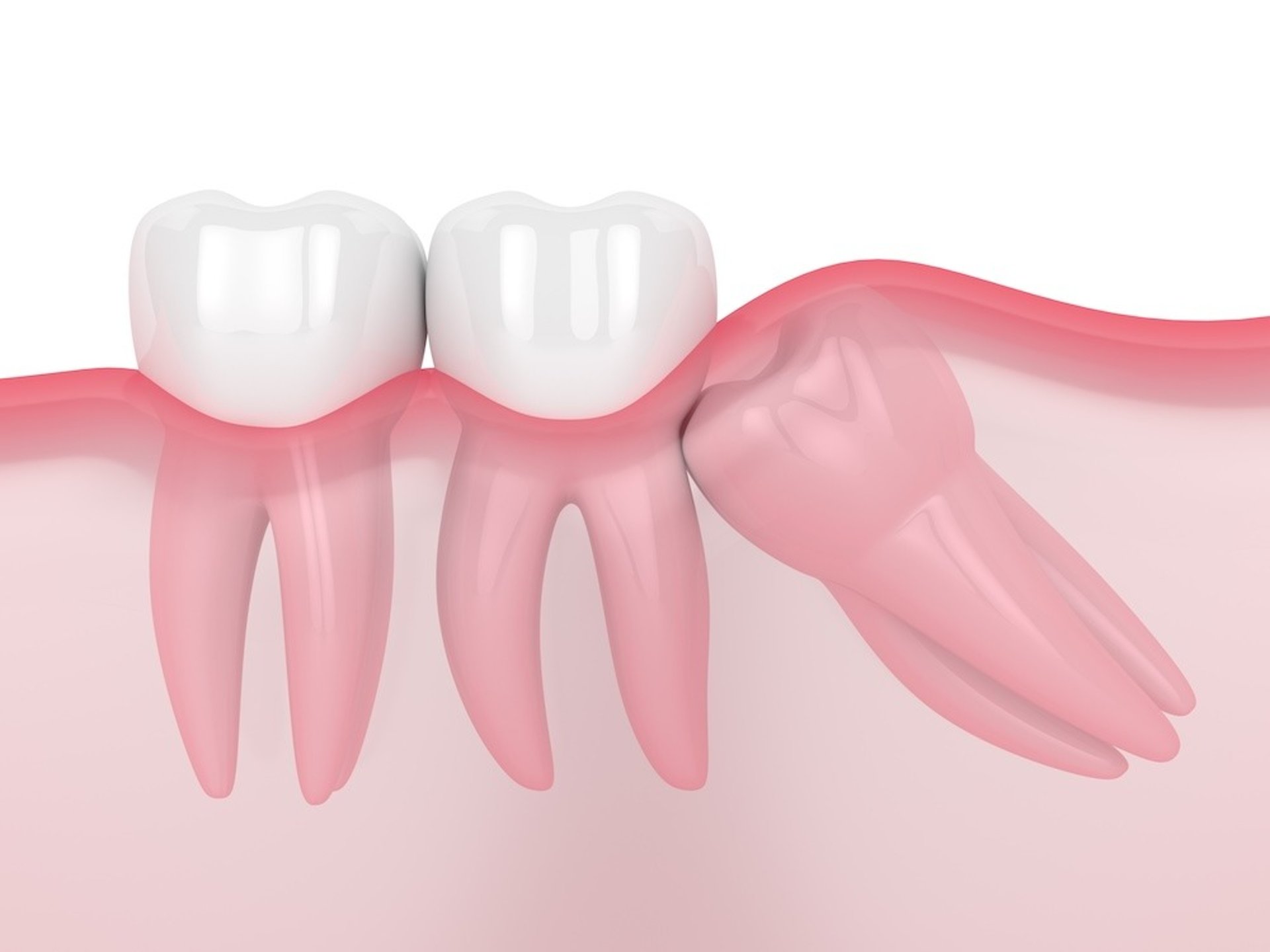
Wisdom teeth—the third set of molars at the very back of your mouth—typically emerge in your late teens or early twenties. Because our jaws often don't have enough room for them, wisdom teeth can become trapped (impacted), grow at awkward angles, or crowd your other teeth.
Do I need to remove my wisdom teeth?
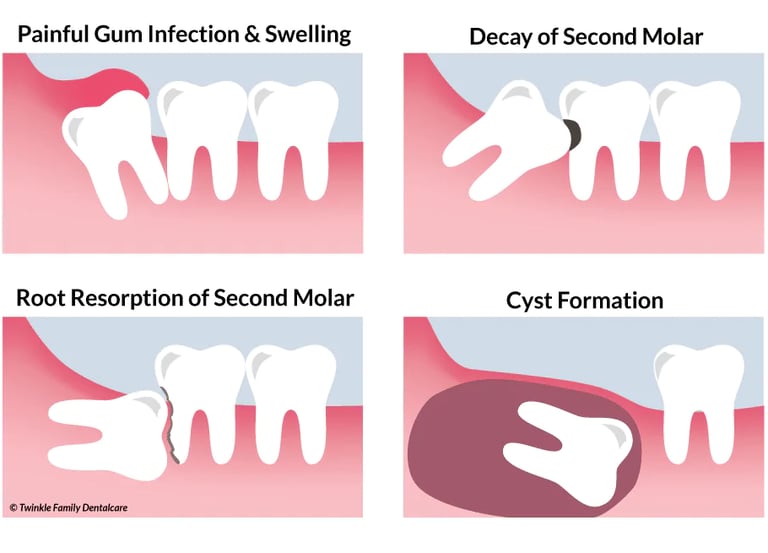
Not everyone needs their wisdom teeth extracted, but removal is often recommended to prevent or treat serious oral health issues, including:
Relieving Pain & Pressure: Impacted teeth can cause chronic, radiating jaw pain, headaches.
Stopping Decay & Infection: Because they are so far back, wisdom teeth are difficult to clean, making them highly susceptible to painful gum infections (pericoronitis) and deep cavities.
Protecting Surrounding Teeth: Left alone, impacted wisdom teeth can damage the roots of neighbouring molars or lead to cysts in the jawbone.
FAQ about Wisdom Tooth Removal
Will the procedure be painful?
No, you will not feel pain during the surgery. Before we begin, we use strong and effective local numbing agents to completely block any pain. You may feel a bit of dull pressure as the tooth is gently loosened, but it should never hurt.
How long does the recovery take?
Most patients are back to their normal daily routines (like school or office work) within 2 to 4 days. While the initial swelling and soreness peak around day 2 or 3, your gums will be substantially healed within a week. The deep bone sockets underneath take a few months to fully close, but you won't notice that happening.
What can I eat after the surgery?
Stick to a soft-food, liquid-heavy diet for the first few days. Avoid using straws as they can dislodge the healing blood clot.
Avoid: Anything hot, spicy, crunchy, or with small seeds (like strawberries) that could get trapped in the healing sockets.